Abraham Lincoln Design: A Review for Real Projects
As a designer who spends more time staring at stitch maps than most people stare at television, I approach every new machine embroidery design with a mix of curiosity and skepticism. We've all been burned by files that look crisp on the screen but turn into a bird's nest of thread breaks and puckering on the hoop. So, when I pulled up the Abraham Lincoln Design, I wasn't just looking for a pretty picture; I was looking for a reliable asset that could hold its own in a commercial or serious hobbyist setting.
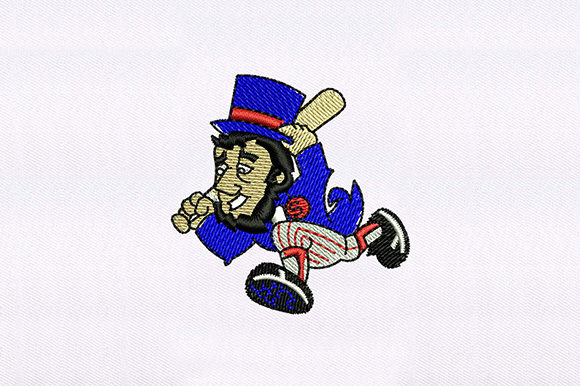
The first thing that strikes you about this file is its presence. Even before threading the machine, the layout suggests a classic, dignified mood. It captures the essence of the 16th President without relying on overly complex shading that often fails in thread form. The visual personality here is bold and recognizable, which is exactly what you need when working on items like a tote bag design or a statement sweatshirt. It feels less like a clip-art afterthought and more like a deliberate piece of art intended for textile application.
Putting the Design to the Test: A Real-World Scenario
To truly evaluate this embroidery project, I imagined a specific use case that many of us face during the holiday season or for boutique launches: creating a line of heavy cotton canvas tote bags for a history museum gift shop. This scenario is perfect because it tests the design on a textured fabric that can be unforgiving.
When I visualized the Abraham Lincoln Design stitched onto a natural-colored canvas, the contrast worked beautifully. The lines are distinct enough to stand out against the weave of the fabric. If you were to use this for sweatshirt embroidery on a fleece-backed garment, the design's structure would prevent it from getting lost in the loft of the material. For a personalized gift, such as an apron for a history buff or a pillow cover for a study, the scale seems appropriate. It doesn't scream for attention, but it commands respect, making it ideal for products where subtlety and quality matter more than flashiness.
Performance Across Different Applications
Versatility is the name of the game for any digital embroidery file worth buying. This design shines in several areas:
- Custom Apparel: On a structured blazer or a denim jacket, the design adds a touch of intellectual flair. It works well as a chest pocket accent or a larger back piece.
- Embroidered Patches: The clear outlines make this an excellent candidate for creating iron-on or sew-on patches. The edges appear defined enough to handle a merrow border or a tight satin stitch finish.
- Nursery Decor: While historical figures aren't the typical nursery theme, for a classroom or a library nook, this could be a charming addition to a quilt block or a wall hanging.
- Craft Business Items: For an Etsy seller looking to expand beyond generic quotes, this offers a niche product. It appeals to teachers, lawyers, and history enthusiasts, allowing for a targeted marketing approach.
However, we must talk about the category listing. While filed under Sports, this design clearly leans towards heritage, education, or patriotic themes rather than athletic performance. As a reviewer, I'd advise using it for "team spirit" in a historical reenactment group or a debate club rather than for active sportswear. The aesthetic is too formal for a gym jersey but perfect for a team polo or a commemorative cap.
Technical Considerations and Potential Pitfalls
No design is without its challenges, and honest evaluation means pointing out where you need to be careful. The Abraham Lincoln Design has details that require attention regarding stitch density and fabric choice.
If you are planning to stitch this on stretchy fabric like a thin t-shirt, you must proceed with caution. Historical portraits often rely on fine detail to capture likeness. If the density is too high for the fabric weight, you risk puckering, which distorts the face and ruins the professional look. In these cases, a heavy-duty cut-away stabilizer is non-negotiable.
Similarly, be mindful of small hoop sizes. If the design includes tiny lettering or intricate hat brim details, resizing it down to fit a 4x4 hoop might cause those elements to merge into a solid blob of thread. Always check the preview in your software. If you are working on curved surfaces like caps, ensure the digitizing accounts for the push-and-pull of the fabric; otherwise, the vertical proportions of the portrait could look squashed.
Another factor is thread colors. Portraits live and die by color contrast. On dark fabrics, you may need to adjust the underlay or add a backing layer of white fabric to ensure the lighter tones of the design pop. Testing the design in a black-and-white mockup before stitching can save you a lot of wasted thread and frustration.
Enhancing Brand Value and Customer Trust
Ultimately, the goal of using a high-quality embroidery file is to elevate your handmade product. When a customer sees a clean, well-executed image of Abraham Lincoln on a item they purchased from your small shop product line, it signals professionalism. It tells them you care about the details. Sloppy stitching or a poorly chosen design can erode trust instantly, but a crisp, clear design builds brand consistency.
For commercial embroidery projects, this design offers a safe yet interesting option. It avoids copyright pitfalls associated with modern celebrities while still offering a recognizable figure. Whether you are creating holiday embroidery for Presidents' Day or year-round merchandise, the timeless nature of the subject ensures the product won't feel dated next season.
Final Verdict and Designer Notes
Before you commit to a production run of fifty tote bags or a batch of custom hats, here are my practical recommendations for working with the Abraham Lincoln Design:
- Test on Scrap Fabric First: Never skip this step. Use the exact fabric and stabilizer combination you plan to use for the final product.
- Check File Formats: This design comes in a wide array of formats including DST, PES, EXP, and JEF. Ensure you select the native format for your specific machine to avoid conversion errors.
- Review Stitch Direction: Look closely at how the fill stitches are angled. Good digitizing will follow the contours of the face and clothing to create depth.
- Confirm Licensing: While the figure is historical, the digitization itself is intellectual property. Verify the license terms to ensure you are allowed to sell finished physical goods or if there are restrictions on digital redistribution.
- Inspect Small Details: Zoom in on the eyes and the collar. These are the focal points. If they look muddy in the preview, they will look worse stitched out.
In conclusion, the Abraham Lincoln Design is a robust choice for designers who value clarity and classic styling. It bridges the gap between educational themes and fashionable custom apparel. With the right fabric preparation and a keen eye for detail, it can become a staple in your library of design assets, helping you create finished products that customers are proud to own and wear.