Douglas DC-3 Design Review: A Vintage Aviation Gem
As an embroidery designer who has spent years digitizing and stitching for boutique apparel brands, I am always on the hunt for designs that bridge the gap between nostalgic charm and modern wearability. When I first pulled up the Douglas DC-3 Design in my software, my immediate reaction was one of appreciation for its clean lines and classic aviation aesthetic. This isn't just a generic plane icon; it is a piece of history rendered in thread, perfect for the current trend of vintage-inspired streetwear. For small clothing brands and Etsy sellers looking to elevate their custom apparel offerings, this design offers a unique opportunity to create something that feels both premium and deeply personal.
First Impressions: Mood and Layout
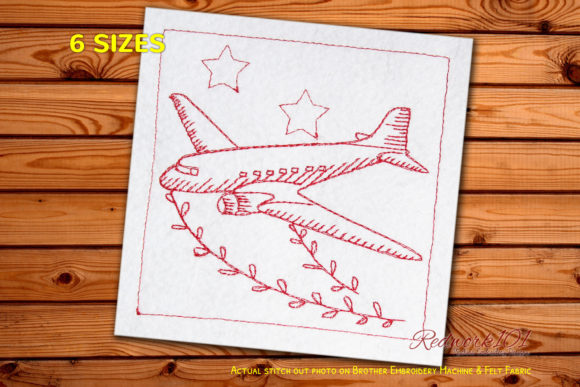
The Douglas DC-3 Design exudes a specific mood: rustic yet refined. It captures the golden age of flight without feeling cluttered or overly technical. The layout is balanced, with the iconic silhouette of the aircraft taking center stage. What stands out most is the potential for customization inherent in the description. The note regarding the optional box stitch is particularly intriguing for a professional designer. It suggests versatility. You can choose to frame the aircraft for a badge-like appearance, ideal for chest pockets or sleeve accents, or omit the border for a floating, minimalist look that works beautifully on oversized garments.
The "redwork" style mentioned in the product details implies a single-color execution, which is a massive plus for production efficiency. Single-color designs reduce thread changes, minimize production time, and often result in a cleaner finish on textured fabrics. However, the description also notes that the outer box color can differ, inviting us to play with two-tone combinations. This flexibility allows a boutique brand to align the embroidery perfectly with their seasonal color palette, whether that means a stark white on navy, a muted olive on cream, or a bold red on black.
Visualizing the Finished Product on Sweatshirts
Let's talk about application. I immediately imagined this design on a heavy-weight, neutral cotton blend sweatshirt. The sweatshirt embroidery market is saturated with text-heavy designs, so a graphic like the Douglas DC-3 offers a refreshing visual break. On a heather grey or oatmeal-colored fabric, the stitch definition would pop, highlighting the fabric texture without getting lost. The design feels strong enough to serve as a central chest logo or a larger back print on an oversized hoodie.
For darker fabrics, such as charcoal or midnight blue, the contrast becomes critical. If you opt for the redwork style, a bright white or silver thread would create a striking, high-contrast look that screams "vintage airline uniform." Conversely, for a more subtle, handmade product vibe, using a tonal thread (like dark grey on black) creates a sophisticated, understated effect that appeals to customers who prefer minimalism. The optional box stitch could be utilized here to contain the design, ensuring it doesn't get visually diluted by the dark background.
I also see immense potential for pastel seasonal drops. Imagine a soft sage green or dusty rose hoodie featuring this aviation classic in a crisp white thread. It shifts the vibe from rugged industrial to cozy and playful, appealing to a different demographic within your small shop product line. The design is versatile enough to feel masculine on a structured crewneck yet feminine and cute on a cropped, oversized fit.
Technical Considerations for Commercial Use
Before running this digital embroidery file on a production machine, there are several practical concerns to address. Since the exact stitch count and hoop size are not specified in the provided details, it is imperative to check the file properties upon download. For commercial apparel use, knowing the stitch density is vital. High-density stitching on thick sweatshirt fleece can cause puckering if not managed correctly. I recommend testing on a scrap piece of your actual garment fabric first.
Stabilizer choice will make or break the finished quality. Given that sweatshirts often have a loopback interior, a cut-away stabilizer is usually the safest bet to prevent distortion over time, especially if the design has significant fill areas or long runs. If the design relies heavily on satin stitches for the outline, ensure your thread colors are high-quality rayon or polyester to maintain sheen and durability through multiple washes. Washing durability is a key factor in buyer trust; a design that frays or lifts after three washes will damage your brand identity.
Another consideration is small-size readability. If you plan to use this as a sleeve accent or a pocket logo, verify that the intricate details of the DC-3's tail and wings remain clear at smaller scales. Sometimes, simplifying the design or removing the optional box at small sizes helps maintain clarity. Always review the printable mockup or run a physical sample before listing items in your Etsy seller shop to ensure the finished product meets your quality standards.
Elevating Brand Identity and Value
Incorporating the Douglas DC-3 Design into your collection does more than just add a new item; it enhances your overall brand narrative. Transportation-themed embroidery taps into a love for travel, history, and adventure. By offering this design, you position your brand as one that values storytelling and craftsmanship. For customers, seeing a well-executed, historically significant graphic on a high-quality garment increases perceived value. It transforms a basic sweatshirt into a conversation piece.
Visual recognition is key in the crowded online marketplace. A distinct, well-placed graphic helps your products stand out in lifestyle photography. When potential buyers scroll through social media or search results, the clean lines of the DC-3 against a cozy fabric texture can stop the thumb and drive engagement. It signals that your design assets are curated with care, not just mass-produced generics.
Furthermore, the ability to customize the box and thread colors allows for limited edition drops. You could release a "Winter Flight" series with specific colorways, creating urgency and exclusivity. This strategy fosters customer loyalty and encourages repeat purchases. For handmade business owners, this level of detail shows that you understand the nuances of commercial embroidery and care about the end user's experience.
Final Verdict for Designers and Makers
The Douglas DC-3 Design is a robust choice for anyone looking to expand their hoodie design portfolio with something timeless. It balances detail with simplicity, making it suitable for various fabric weights and styles. While the lack of specific technical data like exact hoop size requires a bit of due diligence before production, the flexibility offered by the optional border and color variations makes it a powerful tool for creative entrepreneurs.
Whether you are decorating for a local shop, selling digitally, or launching a new apparel line, this design holds the potential to become a staple in your catalog. Just remember to test your tension, choose the right stabilizer for your fabric thickness, and verify the file specifications before committing to a large run. With the right execution, this aviation classic can help your brand take flight, offering customers a piece of wearable art that honors the legacy of the skies while keeping them warm and stylish on the ground.