Bird Quilt Lineart Design Review for Embroidery
As an embroidery designer who spends countless hours digitizing and stitching for clients, I am always on the lookout for design assets that balance aesthetic charm with technical reliability. Recently, I evaluated the Bird Quilt Lineart Design from Creative Fabrica to determine its viability for real-world commercial projects. In the world of commercial embroidery, a pretty picture on a screen does not always translate to a durable finished product. This review breaks down how this specific machine embroidery design performs when moved from the digital realm to actual fabric, focusing on its potential for Etsy sellers, boutique owners, and handmade entrepreneurs.
Visual Mood and Stitching Personality
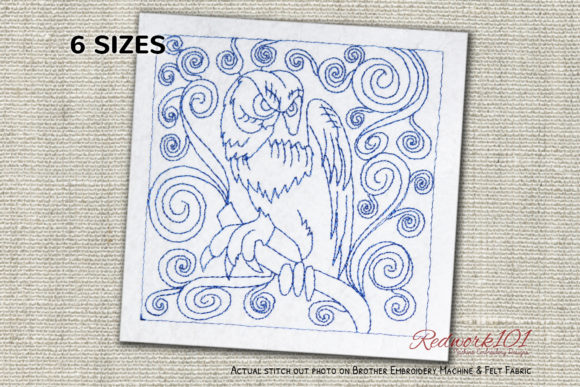
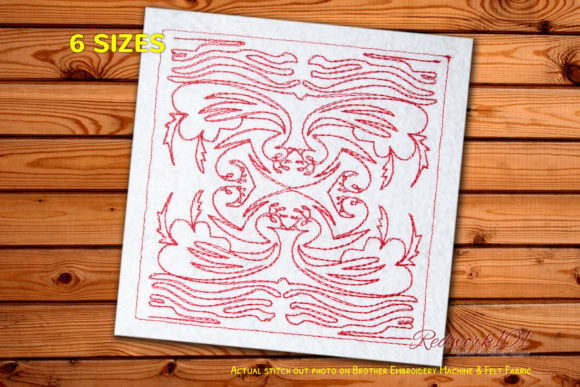
The first thing that strikes you about the Bird Quilt Lineart Design is its nostalgic, hand-drawn aesthetic. It captures the essence of traditional redwork, a style beloved for its simplicity and timeless appeal. The design relies heavily on clean lines, which suggests a primary use of running stitch or a very light satin stitch outline. This minimalistic approach is excellent for maintaining a "handmade" feel without the heaviness of dense fill areas.
Visually, the design fits perfectly into the Intricate Cuts category due to its fine detailing, yet it remains accessible for various skill levels. The mood is whimsical and rustic, making it an ideal candidate for nursery decor, kitchen textiles, and spring-themed custom apparel. Unlike complex applique design files that require multiple fabric layers and precise trimming, this line art offers a streamlined workflow, reducing production time while maximizing visual impact.
Real-World Application Scenarios
When considering where to deploy this embroidery file, the versatility is immediately apparent. I envision this design thriving on natural fiber products where the texture of the fabric complements the linear nature of the stitching.
- Tote Bag Design: The open line work looks stunning on canvas tote bags. The lack of heavy density means the bag remains flexible and easy to fold, a crucial factor for customer satisfaction.
- Sweatshirt Embroidery: For cozy, oversized sweatshirts, this design adds a subtle decorative element without creating a stiff patch on the chest. It works particularly well as a pocket accent or a small left-chest logo.
- Kitchen Towels and Aprons: Redwork traditions often live in the kitchen. This bird motif is perfect for flour sack towels or linen aprons, offering a charming, vintage look that appeals to home decorators.
- Nursery Decor: Soft pastels or classic monochrome threads on muslin or cotton make this an excellent choice for baby blankets and pillow covers.
- Embroidered Patch: With the right stabilizer and backing, this could be stitched out as a standalone patch, adding value to denim jackets or hats.
For those selling printable mockup assets or digital products, the clean lines of this design also photograph beautifully, allowing for high-contrast imagery that drives engagement on social media platforms.
Technical Considerations for Production
While the aesthetic is appealing, a professional must look beyond the surface. The description notes that "The Box Stitch shown in the picture is optional," and that outer box colors may vary. This flexibility is a double-edged sword. On one hand, it allows for customization; on the other, it requires careful attention during the hooping and setup phase to ensure the final composition matches your vision.
Fabric and Stabilizer Selection
Because this is a line-based design, the choice of stabilizer is critical. On stretchy fabrics like jersey knits used for t-shirts or sweatshirts, a cut-away stabilizer is non-negotiable to prevent distortion over time. For woven items like tote bags or towels, a tear-away might suffice, but testing is essential. If the stitch density is too low for the fabric weave, the material might pucker or show through the stitches. Conversely, if the design is too dense for a lightweight fabric, it could cause stiffness.
Hoop Size and Placement
Before committing to a production run, you must confirm the hoop size requirements. While line art often fits into smaller hoops, the optional box element might expand the footprint. Always check the specific dimensions provided in the Creative Fabrica embroidery product details. Additionally, consider curved surfaces like caps. Line art can sometimes look disjointed on highly curved areas if the digitizing does not account for pull compensation. A test stitch-out on a similar cap curvature is highly recommended.
Thread Color Contrast
The beauty of redwork lies in the contrast. When using this design on dark fabrics, ensure your thread colors pop sufficiently. A common mistake is choosing a thread that blends too much with the background, rendering the intricate lines invisible. Always compare light and dark fabric mockups before finalizing your product line.
Impact on Brand Value and Customer Trust
In the competitive market of handmade goods, consistency is key to building buyer trust. Using a cohesive set of design assets like the Bird Quilt Lineart Design can help establish a recognizable brand identity. The clean, professional finish of a well-executed line art design signals quality to the customer. It suggests that the maker cares about detail, which directly influences the perceived value of the handmade product.
Furthermore, because this design avoids heavy saturation, it tends to withstand frequent washing better than dense fill designs, which can crack or become brittle. This durability enhances the longevity of the item, leading to positive reviews and repeat customers. Whether you are creating a personalized gift or a batch of inventory for a craft fair, the reliability of the stitch-out contributes significantly to your reputation.
Final Verdict and Best Practices
The Bird Quilt Lineart Design is a strong contender for designers looking to expand their catalog with versatile, vintage-inspired motifs. Its strength lies in its adaptability across various substrates, from sturdy canvas to delicate linens. However, success with this file depends on diligent preparation.
To ensure the best results, adhere to the following workflow:
- Test on Scrap Fabric: Never skip the test stitch. Use the exact fabric and stabilizer combination you intend to sell.
- Inspect Small Details: After stitching, examine the bird's beak, eyes, and wing details. Ensure there are no thread breaks or excessive trimming required.
- Review Licensing: Before selling finished items, carefully read the license terms on the Creative Fabrica product page. Confirm whether the license allows for unlimited commercial sales of physical goods.
- Check File Details: Since specific stitch counts and formats were not detailed in the brief overview, verify the available formats (PES, DST, JEF, etc.) match your machine capabilities.
In conclusion, if you are seeking a digital embroidery file that offers a blend of artistic charm and practical utility, this design is worth exploring. It empowers creators to produce high-quality, marketable goods without the technical headaches of overly complex digitizing. By respecting the technical nuances of line art and applying sound production practices, the Bird Quilt Lineart Design can become a staple in your Embroidery toolkit, helping you create products that customers love to buy and keep.