Vehicle: A Practical Review for Embroidery Projects
When I first pulled up the Vehicle machine embroidery design on my screen, I wasn't looking for flash; I was looking for utility. As a designer who spends more time under the hoop than behind a keyboard, my immediate concern is always how a digital file translates into thread and fabric. Does it hold its shape? Will it survive a wash cycle? Is it versatile enough to justify the purchase for a small shop product line? After reviewing the file formats—which include the industry-standard DST, PES, EXP, and JEF among others like ART, CND, and VIP—I decided to put this Transportation-themed asset through its paces on a real-world project.
First Impressions and Visual Personality
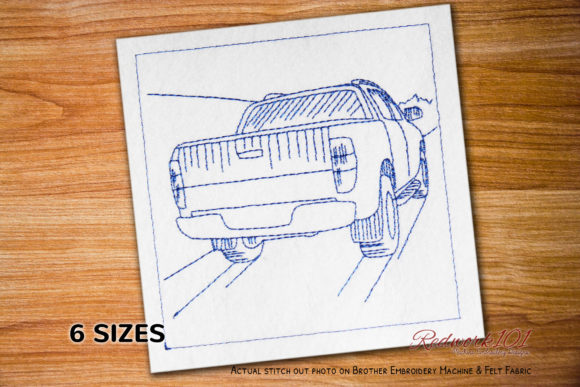
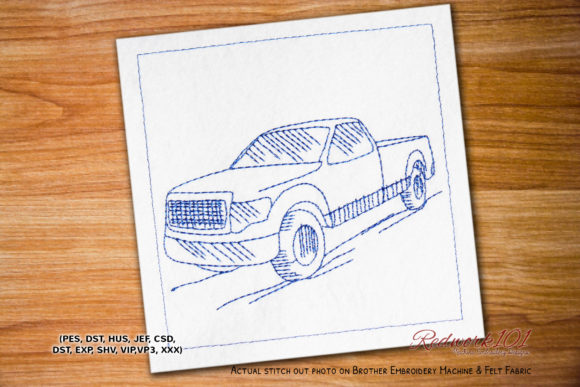
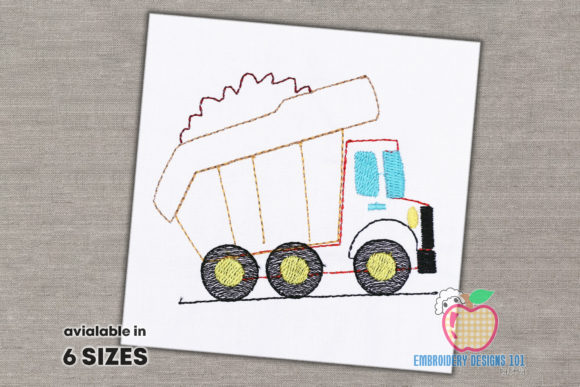
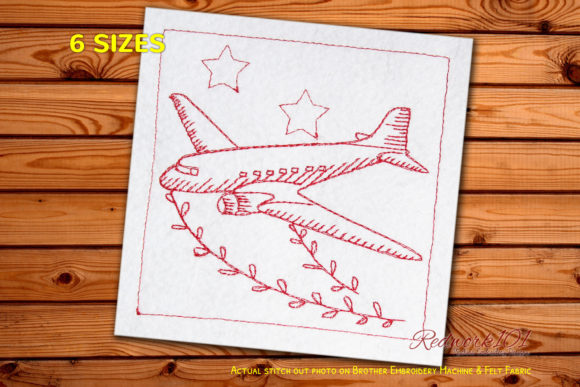
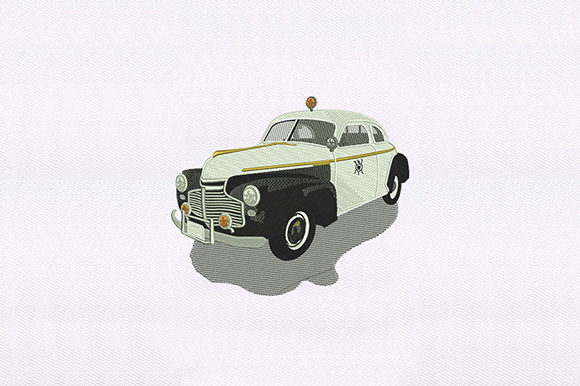
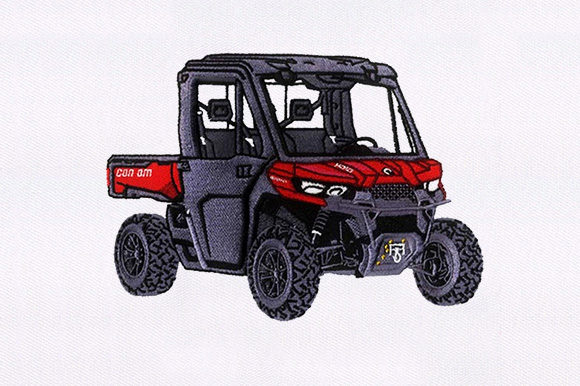
The initial visual impact of Vehicle is clean and recognizable. In the world of embroidery, clarity is king. A design that looks intricate on a monitor can often turn into a muddy mess once stitched out, especially if the stitch density is too high or the running stitch details are too fine for the chosen fabric. This design strikes a balance that suggests it was digitized with practical application in mind. The lines appear crisp, suggesting a thoughtful mix of satin stitch for borders and fill stitch for body coverage, though the exact ratio will depend on the specific size you select from the available formats.
The mood it creates is playful yet structured, making it an ideal candidate for projects that need a touch of whimsy without sacrificing professionalism. It doesn't scream "novelty item" in a way that limits its lifespan; rather, it feels like a solid graphic element that could anchor a brand identity for a child's boutique or serve as a charming accent on adult apparel. For an Etsy seller or craft business owner, this versatility is crucial. You want design assets that can be repurposed across different seasons and product categories without feeling stale.
Real-World Application: The Custom Tote Bag Test
To truly gauge the value of this embroidery file, I envisioned a specific scenario: a custom order for a local daycare needing personalized tote bags for their students' field trips. The client wanted something durable, colorful, and instantly identifiable. Vehicle fit the brief perfectly. I selected a heavy-weight canvas tote, knowing that the fabric texture would provide a stable foundation for the stitching.
During the setup, I paid close attention to the stabilizer. For a project like this, where the finished product will be tossed into laundry bins and dragged across playgrounds, a cut-away stabilizer is non-negotiable. The design held up remarkably well during the stitching process. There were no excessive thread breaks, which often indicates poor digitizing or incompatible tension settings. The transition between color stops was logical, minimizing the need for constant trimming and jumping, which saves valuable production time when you are fulfilling bulk orders.
Once hooped and stitched, the result was impressive. The definition of the vehicle remained sharp even on the slightly textured canvas. This is a key indicator of quality; many designs lose their integrity on anything other than smooth quilting cotton. If you are planning to use this for sweatshirt embroidery or cap customization, the robustness of the stitch work suggests it will handle the curvature and stretch of those materials adequately, provided you use the right hoop size and stabilization technique.
Versatility Across Product Lines
Beyond tote bags, the potential applications for Vehicle are extensive. For those running a handmade product shop, this design could easily become a staple for:
- Baby Embroidery: Perfect for onesies or bibs, offering a gender-neutral theme that appeals to a wide customer base.
- Holiday Embroidery: With minor tweaks to thread colors, it could serve as a festive ornament or stocking stuffer during the holiday season.
- Embroidered Patches: The clear outlines make it an excellent candidate for creating iron-on or sew-on patches, a trending item in the craft fair circuit.
- Custom Apparel: From t-shirts to aprons, the scale of the design allows it to sit comfortably on a chest pocket or as a central back piece.
The ability to scale the design is inherent in having access to multiple file formats like 10O, DSB, DSZ, HUS, PCS, PEC, TAP, VP3, and XXX. However, it is vital to remember that scaling down too much can compromise the smallest details. If you intend to use this on a baby sock or a small pocket, verify the minimum hoop size requirements and inspect the preview closely to ensure tiny elements don't merge together.
Critical Considerations for Professional Results
While Vehicle performs well, no design is universally perfect for every situation. There are specific contexts where caution is advised. If you are working with thin or stretchy fabrics, such as rayon or lightweight jersey, the stitch density might cause puckering if not properly managed. In these cases, testing on scrap fabric is essential. I always recommend running a test stitch-out on the actual garment material before committing to the final product. This simple step protects your reputation and ensures customer trust.
Another factor to consider is the background color. While this design likely pops on light fabrics, its performance on dark fabric depends heavily on the underlay stitching and the contrast of the chosen thread colors. A black and white mockup test can reveal if the design relies too heavily on color differentiation to define its shape. If the silhouette gets lost without color, you may need to adjust your thread palette or add a backing layer to enhance visibility.
For commercial embroidery projects, consistency is key. If you are selling digital embroidery files or finished goods, you must confirm the licensing terms associated with this specific download. Some designers allow unlimited sales of finished physical items but restrict the resale of the digital file itself. Always read the fine print to avoid legal pitfalls that could jeopardize your small shop product line.
Enhancing Brand Value and Customer Engagement
Ultimately, the success of an embroidery project lies in the finished product's ability to delight the recipient. Vehicle contributes to this by offering a professional look that elevates the perceived value of the item. Whether it is a personalized gift for a nephew or a branded uniform for a logistics company, the clarity and charm of the design foster buyer engagement. Customers are drawn to items that look carefully made, and a well-executed embroidery design signals quality and attention to detail.
For creative entrepreneurs, using high-quality design assets like this helps maintain brand consistency. When your printable mockups match the reality of your stitched goods, you build credibility. Discrepancies between marketing images and the actual handmade product can lead to returns and negative reviews. By choosing a reliable Transportation category design that performs predictably across various fabrics and hoop sizes, you mitigate these risks.
In conclusion, Vehicle stands out as a pragmatic choice for designers who need reliability alongside aesthetics. It bridges the gap between decorative flair and functional durability. Whether you are a hobbyist looking to spruce up a kitchen towel or an apparel decorator fulfilling a large corporate order, this design offers the flexibility and structural integrity required for serious work. Just remember to respect the limitations of your machine, choose your stabilizer wisely, and always test before you mass-produce. With these precautions, Vehicle is ready to roll out as a star performer in your embroidery portfolio.