Ancient Egypt Eye of Horus: A Craft Fair Best-Seller Review
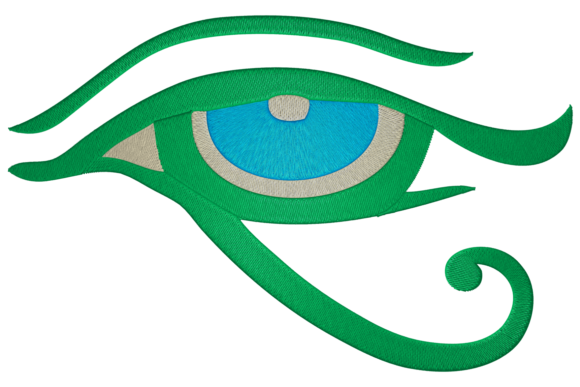
As I set up my booth for the upcoming weekend craft fair, I am constantly evaluating which machine embroidery design will stop customers in their tracks. Today, I am reviewing the Ancient Egypt Eye of Horus. This isn't just a theoretical exercise; I am looking at this file with a critical eye toward what actually sells on a crowded table filled with handmade goods. The description promises a high-quality, hand-digitized file available in six sizes with three thread colors. For an Etsy seller or a boutique maker, these specs are the starting point for determining if this design belongs in your commercial catalog.
First Impressions and Visual Impact
The first thing that strikes me about the Ancient Egypt Eye of Horus is its boldness. In a sea of farmhouse florals and cute animals, this design stands out as elegant and mysterious. It fits perfectly into the "Around The World" category, appealing to customers who love history, mythology, and spiritual symbolism. Because it utilizes only three colors, it avoids looking cluttered. This minimalism is crucial for a craft fair product. When a customer walks by your table, they have seconds to process what they see. A design with too many thread changes or tiny, indistinct details often gets lost. This eye symbol, however, offers strong lines and clear definition.
The aesthetic is neither strictly rustic nor overly modern; it occupies a timeless space. This versatility means it can work on a linen tote bag just as well as it does on a structured cap. For a small shop product line, having a design that bridges different styles is invaluable. It feels premium without trying too hard, which suggests it could command a higher price point than a standard monogram.
Product Applications for Maximum Sales
When planning my display, I imagine where this embroidery file would perform best. The description mentions pillows, t-shirts, and sweatshirts, but let's dig deeper into specific handmade product ideas that move volume at markets.
- Tote Bags and Market Bags: This is likely the strongest contender. A natural canvas tote with the Ancient Egypt Eye of Horus centered on the front creates an instant statement piece. The three-color limit keeps production costs low while maintaining high visual impact.
- Aprons and Tea Towels: For the kitchen section of my booth, this design adds a touch of sophistication. However, one must be careful with tea towel embroidery. If the towel has a waffle weave or heavy texture, the fine details of the eye might get swallowed up. I would recommend using smooth flour sack towels for the crispest result.
- Embroidered Patches: Creating iron-on or sew-on patches is a fantastic way to utilize the smaller sizes included in the pack. Patches are low-risk impulse buys for customers who aren't ready to commit to a large garment.
- Caps and Hats: The curved surface of a cap presents challenges. Since this design is hand-digitized, it should theoretically account for pull and distortion, but testing is mandatory. The bold lines should hold up well here, provided the stitch density isn't too high for the twill fabric.
- Pillow Covers: As suggested in the product description, this is a natural fit. A velvet or heavy cotton pillow cover with this motif looks expensive and makes for a great home decor gift.
Production Practicality and Batch Efficiency
For any commercial embroidery operation, time is money. The fact that this design uses only three thread colors is a massive advantage. It minimizes thread changes, reduces the chance of errors during long production runs, and speeds up the overall stitching time. This makes it ideal for batch producing items like a dozen tote bags or a set of matching pouches before a big event.
Photography is another critical factor for online listings. The high contrast inherent in the Ancient Egypt Eye of Horus means it will photograph beautifully for your printable mockup needs or actual product photos. Dark threads on light fabric (or vice versa) create a sharp image that pops on small mobile screens, increasing click-through rates for your digital store.
However, we must discuss stitch density. While the description claims "high quality," every designer knows that density varies by fabric. If you are stitching onto a thick sweatshirt, the design needs enough underlay to prevent sinking. If you are using a lightweight tee, too much density can cause puckering. Since the file comes in six sizes, you have the flexibility to choose the perfect scale for your specific hoop size and garment, but you must verify that the smallest version still retains clarity.
Critical Considerations for the Serious Maker
Before you list this as a finished product or sell it as a digital embroidery file, there are practical hurdles to clear. I always advise running a test stitch-out on scrap fabric that matches your final product. Do not skip this step.
- Fabric Texture and Contrast: Ensure your thread colors contrast sharply with your fabric. On dark fabrics, you may need to adjust the pull compensation or add a white underlay if the digitizer didn't already include one, to prevent the fabric color from altering the look of the eye.
- Small Details: Look closely at the inner details of the eye. At the smallest available size, do the lines merge? If the details become a solid blob of thread, that size is unusable for professional products.
- Stabilizer Selection: The right stabilizer is non-negotiable. For stretchy fabrics like t-shirts, a cut-away stabilizer is usually best to prevent distortion over time. For woven items like aprons, a tear-away might suffice, but always test first.
- Licensing Verification: The description notes these are digital files, but it cuts off before detailing license terms. Always confirm commercial licensing before selling finished goods. Some designers allow unlimited physical sales, while others restrict the number of items or prohibit resale of the file itself.
Enhancing Brand Consistency and Buyer Engagement
Incorporating the Ancient Egypt Eye of Horus into your lineup can strengthen your brand identity as a creator of meaningful, globally inspired goods. It signals to buyers that you curate designs with depth rather than just chasing fleeting trends. When displayed alongside other "Around The World" themed items, it creates a cohesive collection that encourages multiple purchases.
Customer engagement often hinges on the story behind the item. This symbol has millennia of history, giving you a ready-made talking point at your booth. You can explain the significance of the Eye of Horus as a symbol of protection and royal power, adding value to the finished product beyond just the stitching.
Ultimately, this design appears to be a robust asset for any embroidery business. Its simplicity allows for versatility, while its symbolic weight drives emotional connection. Whether you are creating a single custom gift or stocking a full table of inventory, the Ancient Egypt Eye of Horus has the potential to be a standout performer. Just remember to respect the technical limits of your machine and materials, check those license terms, and let the quality of your stitching do the rest.