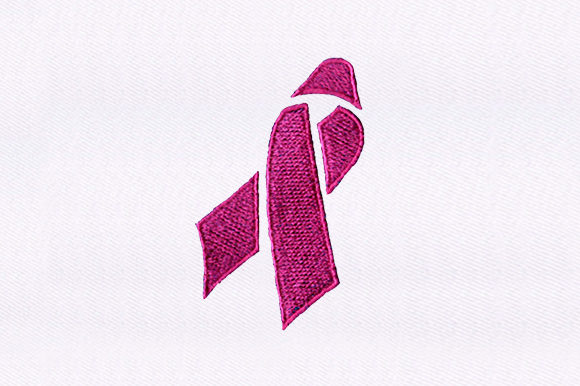
Cancer Support Ribbon Design Review for Business Merch
As an embroidery designer who has spent years digitizing and testing files for commercial use, I approach every new machine embroidery design with a critical eye. It is not just about whether the image looks cute on a screen; it is about how that digital embroidery file translates into a tangible asset for a small business. Today, I am reviewing the Cancer Support Ribbon Design, a file intended for the Awareness category. This review focuses on its viability for branded patches, staff uniforms, and merchandise for boutiques, cafes, and creative studios looking to show solidarity or support specific causes.
First Impressions and Visual Personality
Upon loading the Cancer Support Ribbon Design into my editing software, the first thing that stands out is its professional yet approachable aesthetic. Unlike some awareness designs that can feel overly clinical or generic, this design carries a sense of warmth and community. The lines appear clean, suggesting a digitizer who understands the flow of thread. For a handmade brand or a local business, the visual personality strikes a balance between elegant and friendly. It does not scream "charity event" in a way that feels temporary; rather, it feels like a permanent mark of values, which is crucial for long-term brand identity.
The design feels modern but classic enough to avoid dating quickly. For a florist or a bakery wanting to add a subtle touch of social responsibility to their packaging or staff attire, this design offers a premium look without being ostentatious. It avoids the trap of looking like a low-resolution clipart conversion, which is often the downfall of many awareness-themed files found online.
Real-World Application for Small Business Merch
The true test of any embroidery file is its versatility in real-world scenarios. I evaluated how the Cancer Support Ribbon Design would perform across various substrates common in small business merchandising.
- Embroidered Patches: This is arguably the strongest use case. The design's structure holds up well when framed as a patch. A boutique could sew these onto denim jackets or tote bags as a value-add product. The density appears sufficient to create a durable edge that won't fray after washing.
- Staff Uniforms and Aprons: For a café or creative studio, placing this design on an apron embroidery pocket or the chest of a work shirt creates an immediate connection with customers. It signals that the business cares about more than just profit. The scale seems appropriate for a left-chest logo placement, maintaining professionalism.
- Cap Embroidery: Applying this to the front of a baseball cap requires careful attention to curvature. The design flows well horizontally, which is ideal for cap fronts. However, the center of the ribbon needs to be monitored to ensure the stitches do not pull or gap on the curved surface of a structured cap.
- Tote Bag Design: Canvas tote bags are a staple for Etsy sellers and market vendors. The Cancer Support Ribbon Design provides a meaningful accent to a plain bag, turning a simple carrier into a statement piece. The stitch definition should remain crisp against the textured weave of canvas.
Technical Considerations and Potential Pitfalls
While the design shows promise, there are specific areas where a professional embroiderer must exercise caution. No design is one-size-fits-all, and understanding the limitations is key to a high-quality finished product.
Stitch Density and Fabric Texture: One must inspect the stitch density before running a production batch. If the design is too dense, it can cause puckering on lightweight fabrics like poly-cotton blends used in t-shirts. Conversely, if the density is too light, the fabric texture might show through, ruining the solid look of the ribbon. I recommend testing the file on the exact fabric you intend to use. For textured fabrics like towels or heavy canvas, you may need to adjust the underlay or increase density slightly to ensure coverage.
Small Patch Sizes: If you intend to shrink this design for a tiny label or a small patch (under 2 inches), verify that the fine details do not merge. Tiny lettering or intricate outlines can become a blob of thread if scaled down too aggressively. Always check the minimum recommended size provided with the file formats.
Thread Colors and Contrast: Awareness ribbons often rely on specific color codes. When stitching on dark uniforms, ensure you are using a bright enough stabilizer or a white underlay to prevent the garment color from dulling the ribbon's hue. Thread contrast is vital for visibility; a dark ribbon on a navy shirt might get lost unless there is a defined outline or sufficient value difference.
Hoop Size and Stabilizer: Confirm the required hoop size before setting up your machine. While the file comes in multiple formats, the physical dimensions dictate the hoop needed. Using the correct stabilizer is non-negotiable. For stretchy fabrics like jersey knits used in tees, a cut-away stabilizer is essential to maintain the shape of the ribbon over time. For woven items like caps or twill patches, a tear-away might suffice, but always test first.
Impact on Brand Identity and Customer Trust
Incorporating the Cancer Support Ribbon Design into your product line does more than decorate an item; it enhances your brand identity. Customers today prefer to support businesses that align with their values. Seeing a well-executed awareness symbol on a product or uniform builds trust and recognition. It suggests a level of thoughtfulness and community engagement that generic branding lacks.
For handmade product creators, this adds a layer of emotional resonance. It transforms a standard item into a conversation starter. Whether it is a gift for a customer or a piece of custom apparel for your team, the quality of the embroidery reflects the quality of your business. A sloppy, poorly stitched ribbon can damage credibility, whereas a crisp, professional execution reinforces a reputation for excellence.
Practical Designer Notes for Production
Before committing to a large run of commercial embroidery projects using this file, follow these practical steps to ensure success:
- Test in Black and White First: Stitch a sample using a single color thread to check for registration issues and density problems without the distraction of color changes.
- Verify File Formats: This design comes in a wide array of formats including DST, PES, EXP, JEF, and XXX. Ensure you select the native format for your specific machine model to avoid conversion errors that can alter stitch paths.
- Create a Printable Mockup: Before stitching, generate a printable mockup to show clients or stakeholders. This helps visualize the placement on the final garment and secures approval before thread hits fabric.
- Check Commercial Licensing: Since this is for business use, confirm the licensing terms. Ensure you have the right to use the design for resale or branded merchandise, as some files are for personal use only.
- Compare Beside Other Assets: Place the stitched sample next to your existing logo or other design assets. Ensure the style, thread sheen, and visual weight are consistent with your overall brand aesthetic.
The Cancer Support Ribbon Design is a versatile tool for the modern embroiderer. With careful attention to fabric choice, stabilization, and sizing, it can elevate small business merch from simple commodities to meaningful brand statements. By treating the file with the technical respect it requires, you can produce patches, uniforms, and gifts that honor the cause while showcasing your craftsmanship.