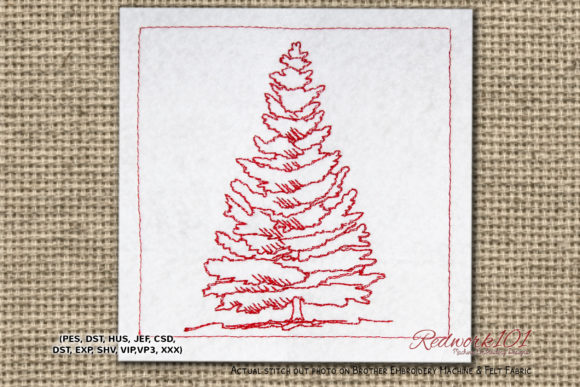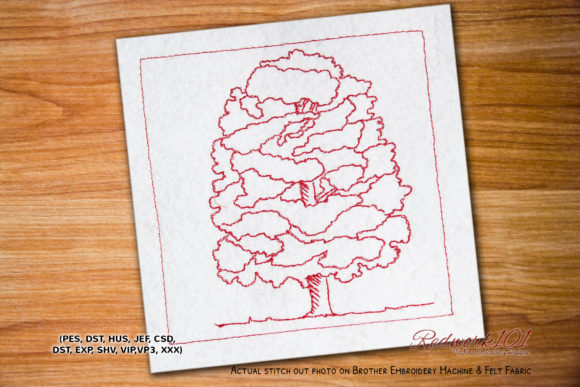
Chestnut Tree Design Review for Branded Merch
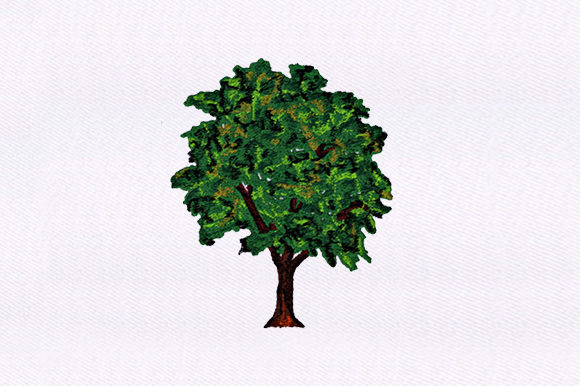
As an embroidery designer who has spent years digitizing and reviewing files for commercial use, I approach every new machine embroidery design with a critical eye toward business application. It is not enough for a file to look pretty on a screen; it must perform flawlessly on a cap, survive industrial washing on a uniform, and instantly communicate a brand's values. Today, I am reviewing the Chestnut Tree Design, a file situated within the Forest category, specifically evaluating its potential for small business merchandise, branded patches, and custom apparel.
My first impression of the Chestnut Tree Design is one of grounded elegance and rustic professionalism. The imagery of a chestnut tree naturally evokes feelings of stability, growth, and nature, making it an exceptional choice for brands that want to project reliability and organic quality. Unlike overly playful or abstract motifs, this design carries a classic weight that suits bakeries, florists, outdoor gear shops, and artisanal cafes. The description notes that "The Box Stitch shown in picture is optional," which immediately signals versatility. This feature allows us to adapt the artwork for different contexts, stripping away borders for a seamless look on tote bags or keeping them for a structured patch aesthetic.
Real-World Application for Small Business Merch
When considering where to deploy this digital embroidery file, the possibilities for small business merch are extensive. For a local coffee shop or bakery, the Chestnut Tree Design works beautifully as a chest logo accent on staff aprons. The natural theme aligns perfectly with farm-to-table concepts or organic product lines. Because the outer box stitch is optional, a boutique owner could choose to omit it for a softer, more integrated look on linen aprons, ensuring the apron embroidery feels like part of the fabric rather than a heavy add-on.
For retail brands selling handmade goods, this design shines as an embroidered patch. Patches are a trending asset for Etsy sellers and craft businesses looking to add value to their packaging or offer low-cost add-ons at checkout. A chestnut tree patch sewn onto a canvas tote bag transforms a simple carrier into a branded statement piece. The tote bag design potential here is high, provided the stitch density is managed correctly to prevent puckering on lighter canvas weights. Furthermore, this design serves as an excellent candidate for cap embroidery. A structured dad hat featuring the chestnut tree on the front panel offers a subtle yet premium branding opportunity for outdoor guides, park rangers, or nature-focused nonprofits.
In the realm of custom apparel, this file could act as a sleeve detail on work shirts or a back-yoke emblem on denim jackets. The visual consistency it offers helps build brand identity. When customers see the same high-quality tree motif on a uniform, a shopping bag, and a promotional gift, it reinforces trust and recognition. It tells the consumer that the business cares about the details, elevating the perceived value of the finished product.
Technical Considerations and Production Notes
While the aesthetic appeal is strong, a professional review must address the technical realities of commercial embroidery. The product description mentions that "The color of outer Box is different color in most of the designs unless it is part of the design itself, you can skip the color directly." This is a crucial note for production. Before running a full batch, you must verify the thread colors in your specific file version. If the box is intended to be a contrasting color, ensure it provides sufficient contrast against your chosen garment color, especially if working with dark uniforms.
One area requiring careful attention is the stitch density. Tree designs often involve detailed branches and leaf textures. If the digitizer has packed too many stitches into a small area, the design may become stiff or cause the fabric to pucker, particularly on textured materials like twill caps or thick fleece. I strongly advise testing the design in black and white first. This removes the distraction of color and allows you to inspect the spacing and coverage purely based on light and shadow. If the details blur together in monochrome, they will likely lose definition when stitched out.
Size matters immensely. If you intend to use this as a small patch or a pocket logo, you must confirm the minimum viable size. Fine lines in tree bark or small leaves can vanish if scaled down too far. Always create a printable mockup at the actual intended size to visualize the result before hooping any fabric. Additionally, check the required hoop size. While many tree designs fit in standard 4x4 hoops, larger iterations for back panels may require 5x7 or larger frames. Ensure your machine capacity matches the file requirements.
Fabric selection is another variable. On smooth polo shirts, the design will pop with clarity. However, on rougher fabrics like canvas totes or wool blends, the fabric texture can interfere with fine stitching. In these cases, using a high-quality cut-away stabilizer is non-negotiable to support the weight of the design and maintain its shape after repeated washing. For items like caps, which involve curved surfaces, proper hooping technique and specialized cap stabilizers are essential to prevent distortion.
Enhancing Brand Value Through Embroidery
Ultimately, the decision to use the Chestnut Tree Design should come down to how it serves your brand narrative. For a florist, it represents growth and nature; for a construction firm with an eco-focus, it symbolizes strength and roots. The professionalism of the stitch-out directly impacts customer perception. A sloppy, puckered logo suggests a careless business, while a crisp, well-executed emblem suggests precision and care.
This design has the potential to become a core design asset in your marketing toolkit. Whether used on employee uniforms to foster team unity or on customer gifts to drive loyalty, the tactile quality of embroidery adds a layer of premium feel that printed graphics cannot match. It turns a standard t-shirt into a collectible item and a plain tote into a walking billboard.
Before finalizing any production run, always confirm the commercial licensing terms associated with the file. Just because you purchase a digital embroidery file does not automatically grant unlimited rights for mass production. Ensure you have the correct license for the volume of handmade product or merchandise you plan to create. By taking these precautions and respecting the technical nuances of the file, the Chestnut Tree Design can be a powerful tool in elevating your small business presence in the market.