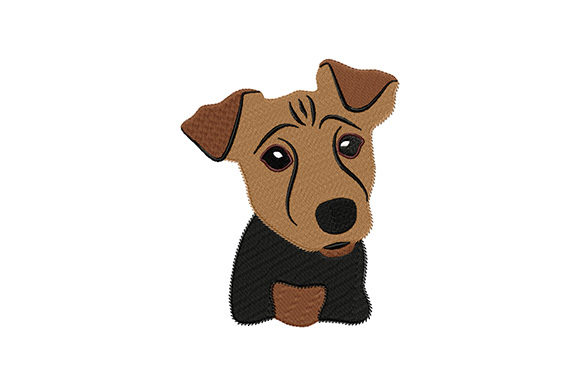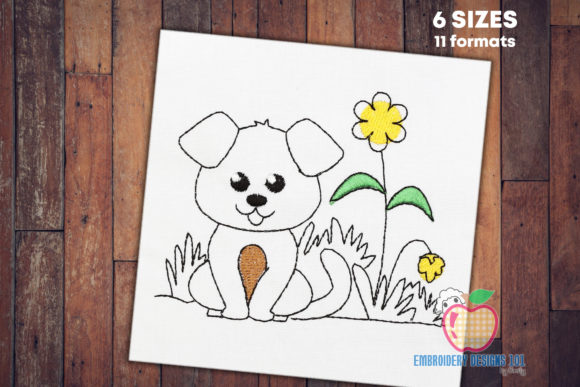
Cute Baby Dog Sketch: A Designer's Real-World Review
When I first pulled up the Cute Baby Dog Sketch file on my screen, my immediate reaction wasn't just about cuteness; it was about utility. As someone who spends hours digitizing and stitching for clients, I look past the initial "aww" factor to ask the hard questions: Will this hold up on a textured sweatshirt? Is the stitch density appropriate for a baby onesie? Does the sketch style translate well when scaled down for a pocket logo? This machine embroidery design promises a fun, easy stitch with a specific aesthetic that leans heavily on line work rather than heavy fills, and that distinction is crucial for professional results.
The Aesthetic Appeal of Line Work
The defining characteristic of the Cute Baby Dog Sketch is its reliance on outline and minimal filling. The product description notes that these are "not 100% filled," which is a massive advantage for modern embroidery projects. Heavy fill stitches can make small designs look like solid blobs of thread, losing all definition. By utilizing a sketch style, likely composed of running stitch and strategic satin stitch accents, this design maintains an airy, hand-drawn feel.
This visual personality makes it incredibly versatile. It doesn't scream "novelty item" in a cheap way; instead, it feels boutique and curated. For Etsy sellers and small shop product creators, this is gold. It fits seamlessly into the current trend of minimalist nursery decor and understated custom apparel. The mood is gentle and playful without being overwhelming, making it a perfect candidate for items where the fabric texture needs to breathe, such as linen tea towels or high-quality cotton tote bags.
Real-World Application: The Boutique Sweatshirt Test
To truly evaluate this embroidery file, I imagined a specific real-life scenario: a custom order for a local boutique needing a run of unisex sweatshirts. The client wanted something whimsical but sophisticated enough for adults to wear. The Cute Baby Dog Sketch landed right in that sweet spot.
Because the design avoids dense coverage, it sits beautifully on French terry or fleece without causing the fabric to pucker excessively—a common nightmare with heavy fill stitch designs on stretchy materials. The open nature of the sketch allows the garment's texture to show through, creating a premium finished product that feels integrated rather than slapped on. If you are an apparel decorator, this is the kind of asset that reduces your rejection rate due to stitching errors. It's forgiving yet detailed enough to look intentional.
Beyond apparel, consider the potential for embroidered patch creation. A sketch-style dog works exceptionally well on twill backings where the negative space prevents the patch from becoming a stiff cardboard-like square. It would also shine as a tote bag design, where durability and washability are key. Less thread mass means less stress on the fabric during the agitation of a washing machine, ensuring the handmade product lasts longer for the end customer.
Navigating Fabric Challenges and Hoop Constraints
While the design is robust, practical judgment dictates we discuss where caution is needed. The "sketch" nature implies fine lines. If you are working with highly textured fabrics like thick wool blankets or looped terrycloth, those fine running stitch details might get lost or sink into the pile. In these cases, using a heavier weight stabilizer is non-negotiable. You might even need to experiment with a water-soluble topper to keep the stitches floating above the texture.
Furthermore, the product comes in multiple sizes. While versatility is great, shrinking a sketch design too much can be risky. Fine lines that look crisp at 4 inches might break or disappear at 1 inch. Before committing to a production run of baby embroidery items like bibs or booties, always stitch out a test on scrap fabric of the exact same weight and type. Check the stitch density visually. If the lines are too close together, they might merge. If they are too far apart, the image loses cohesion.
Curved surfaces present another challenge. If you plan to use this on a cap or a structured hat, ensure the hoop size you select accommodates the design without forcing you to hoop too close to the seam. The sketch style generally handles curvature better than large solid fills, but alignment is still critical. A crooked line drawing looks like a mistake; a crooked solid block often goes unnoticed.
Commercial Viability and Brand Consistency
For creative entrepreneurs selling digital embroidery files or finished goods, consistency is currency. The Cute Baby Dog Sketch offers a level of professionalism that builds customer trust. When a buyer receives a personalized gift featuring clean, well-defined lines, they perceive higher value. This design supports brand consistency if you are building a collection around pets or nursery themes. It pairs well with other sketch-style elements, allowing you to create cohesive design assets for your shop.
However, a word of caution regarding licensing and commercial use: always verify the specific terms attached to this file. Just because a design is easy to stitch doesn't automatically grant unlimited rights for mass production or resale as a digital file. Ensure you have the clearance to use it for commercial embroidery projects before listing those printable mockups or finished hoodies in your store.
Final Verdict for the Working Designer
The Cute Baby Dog Sketch is a standout choice for designers who value clarity and modern aesthetics over traditional, heavy coverage. Its strength lies in its adaptability across various fabric textures and its suitability for both holiday embroidery gifts and everyday boutique wear.
Before diving into a large project, remember these practical steps:
- Test First: Always stitch on a scrap piece of your actual production fabric.
- Check Contrast: Ensure your thread colors provide enough contrast against the fabric, especially since the design relies on lines.
- Review Details: Zoom in on the preview to inspect tiny corners and ensure no micro-stitching will cause bird nests.
- Stabilize Correctly: Match your stabilizer to the fabric stretch, not just the design size.
In the world of Dogs and Embroidery, finding a design that balances charm with technical ease is rare. This design delivers on both fronts, offering a reliable solution for everything from a quick custom apparel add-on to the centerpiece of a new craft business collection. With the right preparation and material selection, it is poised to become a staple in your library of go-to motifs.