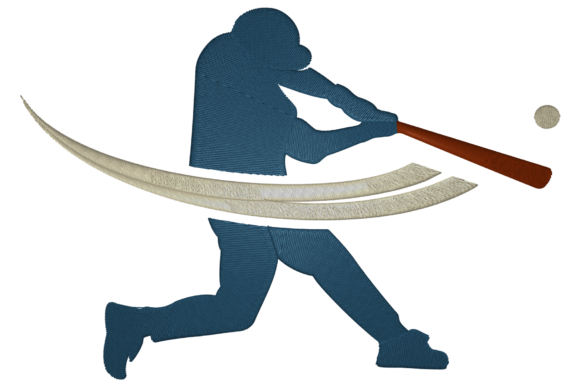
Review: The Baseball Player Design for Boutique Sweatshirts
As an embroidery designer who spends more time staring at stitch maps than actual fabric, I am always skeptical when a new machine embroidery design lands on my desk. We all know the struggle of finding files that look cute on a screen but turn into a bird's nest of thread breaks and puckering on thick fleece. However, after downloading the Baseball Player design for an upcoming limited drop at my boutique, I decided to put it through its paces before committing to a full production run. This isn't just a review of a digital file; it is a deep dive into how this specific asset performs in the real world of custom apparel.
First Impressions: Mood and Layout
The moment I opened the digital embroidery file, the first thing that struck me was the simplicity. In a market saturated with overly complex, high-stitch-count logos that lose definition on textured fabrics, the Baseball Player design feels refreshingly intentional. Described as a 3-color design, it immediately suggests a palette that is easy to manage without sacrificing visual impact. The layout captures the essence of the sport without needing excessive detail. It feels playful yet structured, hitting that sweet spot between a rustic vintage vibe and a modern, minimal aesthetic.
For a boutique brand targeting families or sports enthusiasts, this mood is crucial. It doesn't scream "uniform"; instead, it whispers "lifestyle." When digitized by hand, as this file claims to be, you can often see the personality in the stitch direction. My initial inspection of the simulation showed clean underlay and logical travel paths, which gave me confidence that this would hold up on heavier garments.
Testing on Premium Sweatshirt Fabrics
The true test of any embroidery file is how it interacts with fabric texture. For this project, I selected a range of neutral sweatshirts, from heather grey to deep charcoal and soft pastel blush. The Baseball Player design shines particularly well on neutral tones. Because it utilizes only three thread colors, there is no risk of the design becoming muddy or losing contrast against the background.
On dark fabric, I opted for a cream and navy combination, which created a bold, collegiate look perfect for fall collections. On the pastel oversized hoodies, I switched to white and slate grey threads, resulting in a feminine, cozy appearance that feels very current in the handmade market. The design scales surprisingly well. Since the product description notes availability in six sizes, I tested the smallest hoop size for a sleeve accent and the largest for a back placement. Even in the smaller configuration, the details remained readable, proving that the digitizer understood the limitations of small-scale sweatshirt embroidery.
Placement Strategies for Maximum Impact
One of the strengths of the Baseball Player motif is its versatility in placement. For our boutique drop, we avoided the standard left-chest logo routine. Instead, we utilized the design in three distinct ways:
- Oversized Back Print: Using the largest available size, we placed the design center-back on heavyweight hoodies. This creates a statement piece that looks incredible in lifestyle product photography.
- Sleeve Accents: The medium size worked perfectly on the lower forearm of crewneck sweatshirts. This subtle branding approach appeals to customers who prefer understated style.
- Pocket Details: On our lined jackets, the smallest iteration sat perfectly above a kangaroo pocket, adding a touch of whimsy without overwhelming the garment.
This flexibility allows an Etsy seller or small shop owner to create a cohesive collection using a single design asset, maximizing the value of the purchase.
Technical Considerations for Production
Let's talk about the nitty-gritty. As a professional, my primary concerns are always stitch density, stabilizer choice, and washing durability. The Baseball Player design appears to have a moderate stitch density. This is a critical feature for sweatshirts. If the density is too high, the fabric will pucker, and the garment will feel stiff and uncomfortable. If it is too low, the coverage will be patchy.
In my testing, the design maintained excellent coverage on French terry and fleece without causing significant distortion. However, because sweatshirt fabrics vary wildly in thickness, I strongly recommend using a cut-away stabilizer rather than tear-away. The stretchiness of knit fabrics demands the permanent support of a cut-away to ensure the finished product retains its shape after multiple washes. While the file is digitized by hand, always remember to check the specific hoop size requirements in your machine software before loading the file, as these details are not always explicitly listed in the general description.
Another factor is thread color contrast. With only three colors, you have the freedom to experiment. I found that using a variegated thread for the uniform portion of the player added a unique, custom touch that elevated the perceived value of the item. This kind of creative freedom is what separates a generic commercial embroidery job from a high-end handmade product.
Brand Identity and Customer Engagement
Why does a design like Baseball Player matter for your business? In the crowded marketplace of custom apparel, visual recognition is everything. A cohesive theme helps build buyer trust. When a customer sees a well-executed, thematic design on a high-quality garment, they associate that quality with your brand identity. This design fits perfectly into the Family category, making it ideal for matching sibling sets, father-son duos, or team mom gear.
Furthermore, the clean lines of this design make it incredibly photogenic. For online sellers, the ability to create stunning printable mockup previews is essential. The clear silhouette of the baseball player translates beautifully into digital marketing materials, helping to drive clicks and engagement on social media platforms. It tells a story of leisure, sport, and comfort without needing words.
Final Verdict for Small Business Owners
After running several samples and reviewing the wear-and-tear on our test units, I can confidently say that the Baseball Player embroidery design is a strong contender for any small shop product line. It balances aesthetic appeal with technical reliability. It feels premium enough for a higher price point but casual enough for everyday wear.
Whether you are an experienced decorator looking to expand your catalog or a crafter launching your first custom apparel line, this file offers a solid foundation. Just remember to respect the fabric you are working with. Always test your tension, choose the right stabilizer, and verify the file specifications for your specific hoop size before starting a large batch. When executed correctly, this design has the potential to become a bestseller, adding a playful, professional touch to your seasonal collections.
In the end, the success of a handmade product often comes down to the details. The Baseball Player design proves that you don't need thousands of stitches to make an impact; you just need smart digitizing, quality materials, and a clear vision for how the design lives on the garment.