Sad Bear Embroidery Review: A Designer's Take
As an embroidery designer who spends countless hours vetting files for client orders and personal shop inventory, I approach every new download with a critical eye. Recently, I came across the Sad Bear design on Creative Fabrica, categorized under Wild Animals. The initial visual hook is undeniable; there is a specific emotional resonance in a melancholic character that tends to perform exceptionally well in current market trends. However, seeing a preview image and actually stitching a machine embroidery design onto a finished product are two very different experiences. This review breaks down the potential of this file for real-world application, from custom apparel to boutique home decor.
First Impressions and Visual Mood
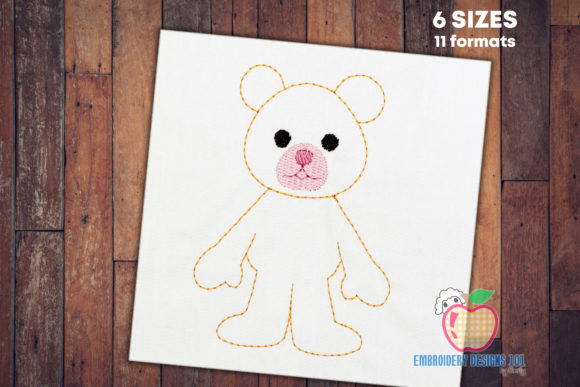
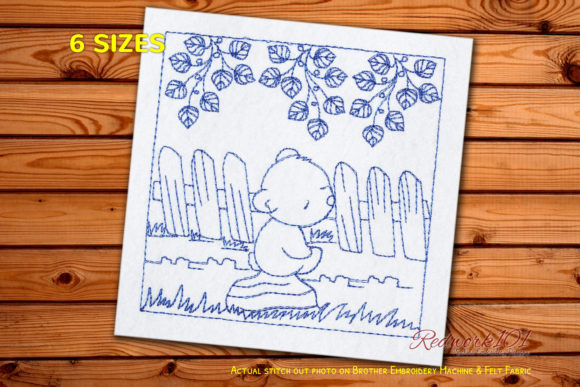
The first thing that strikes you about the Sad Bear is its personality. In a market saturated with overly cheerful or generic animal motifs, a design that conveys a softer, more introspective mood offers a unique selling point. The visual weight of the bear suggests a design that relies heavily on expression rather than complex background elements. The product description notes that "The Box Stitch shown in picture is optional," which immediately signals flexibility. For a professional, this is a green flag. It means the core artwork can stand alone without being confined by a border, allowing us to adapt the embroidery file to various hoop sizes and product shapes.
The aesthetic leans towards a modern, slightly rustic charm, making it ideal for the "slow living" and "cozy home" niches that are currently dominating Etsy and craft fairs. Whether you are using satin stitch for smooth outlines or fill stitch for texture, the emotional impact of the bear remains the focal point. This kind of decorative appeal translates beautifully into handmade products where the story behind the item is just as important as the utility.
Real-World Application Scenarios
When evaluating a digital embroidery file, I always ask: "Where will this live?" For Sad Bear, the applications are versatile. Because the design appears to have a strong silhouette, it is an excellent candidate for tote bag design. A canvas tote with a single, well-placed embroidered bear creates an instant statement piece. Similarly, for sweatshirt embroidery, the design's likely moderate density makes it suitable for fleece and cotton blends without causing excessive stiffness or puckering.
I can also envision this working wonderfully as an embroidered patch. If the file allows for a merrowed edge or if you add a border manually, this could become a best-seller for iron-on applications. For those running a nursery decor line, placing this on a baby blanket or pillow cover adds a touch of whimsical sadness that parents often find endearing. It fits naturally into collections featuring Wild Animals but with a twist that separates it from standard safari themes.
For commercial embroidery shops, the simplicity of the concept allows for high-volume production. It works well on aprons for coffee shops with a moody aesthetic, or on caps where the central placement draws immediate attention. The key here is the adaptability of the design to different substrates, from thick towels to delicate knitwear.
Technical Considerations for Stitching
While the artistic merit is clear, the technical execution requires careful planning. The note regarding the optional box stitch is crucial. If you choose to skip the box, you must ensure the remaining elements of the bear are stable enough to stitch out without a framing element, especially on stretchy fabrics. Before committing to a customer order, it is vital to test on scrap fabric that matches your final material.
Stitch density is another factor to verify. Designs with heavy fill areas can sometimes cause registration issues on textured fabrics like terry cloth towels or waffle weave aprons. If the Sad Bear utilizes dense satin columns for the eyes or nose, you may need to adjust your tension or use a heavier cut-away stabilizer to prevent pull-away. On dark fabrics, pay close attention to the thread colors specified in the file. You may need to manually swap colors in your software to ensure sufficient contrast, as the default palette might be optimized for light backgrounds.
Cap embroidery presents its own challenges due to the curved surface. If the design is too wide or has fine details that span a large horizontal area, it might distort on a structured cap. Always confirm the hoop size requirements against your machine's capabilities. Since the product details do not specify exact dimensions or stitch counts, checking the file properties immediately after download is a non-negotiable step. Additionally, tiny lettering or minute details should be inspected closely; if they rely on a running stitch that is too sparse, they may not hold up after frequent washing.
Elevating Product Value and Brand Perception
In the world of handmade goods, the choice of design directly influences buyer trust and perceived value. A cohesive collection featuring the Sad Bear can help establish a recognizable brand identity. When customers see consistent quality and a distinct artistic voice across your custom apparel and home goods, they are more likely to return. The emotional connection fostered by the character can enhance the "giftability" of your items. A personalized gift featuring this bear feels thoughtful and curated, rather than mass-produced.
Furthermore, the visual simplicity of the design aids in product photography. Clean lines and expressive features photograph well on social media, driving customer engagement. Whether you are creating printable mockups for your online store or shooting flat lays for Instagram, the Sad Bear provides a strong focal point that doesn't get lost in noise. This clarity helps in communicating the quality of your finished product to potential buyers who are scrolling quickly through feeds.
Final Verdict and Best Practices
The Sad Bear from Creative Fabrica holds significant promise for designers looking to expand their design assets with something emotionally resonant and commercially viable. Its potential spans from kitchen towels to high-end boutique merchandise. However, success lies in the preparation. Always review the license terms on the product page to ensure compliance for commercial use, especially if you plan to sell unlimited finished items.
Before launching a full product line, stitch a sample on both light and dark fabrics to compare the results. Inspect small details after stitching to ensure no thread breaks or skipped stitches occur in critical areas like the bear's expression. By treating this applique design or standard embroidery file with the respect it deserves—through proper stabilization, thread selection, and testing—you can transform a simple download into a cornerstone of your small business offerings. For embroidery enthusiasts and entrepreneurs alike, this design represents a blend of trend-awareness and practical utility that is worth exploring.