Camouflage Truck: A Designer's Take on Rugged Embroidery
When I first pulled up the Camouflage Truck file on my screen, my immediate reaction wasn't just about the subject matter; it was about the potential texture. As someone who spends hours tweaking stitch paths and analyzing density maps, I look for designs that translate well from a digital preview to a tangible, threaded reality. This machine embroidery design catches the eye because it promises a specific mood—rugged, outdoorsy, and undeniably masculine. It fits squarely into the Transportation category but carries enough stylistic flair to work beyond just vehicle-themed projects. For Etsy sellers and boutique owners, the key question is always: "Will this stitch out cleanly on the fabrics my customers actually want?" Let's break down how this design performs in a real-world workshop setting.
First Impressions and Visual Personality
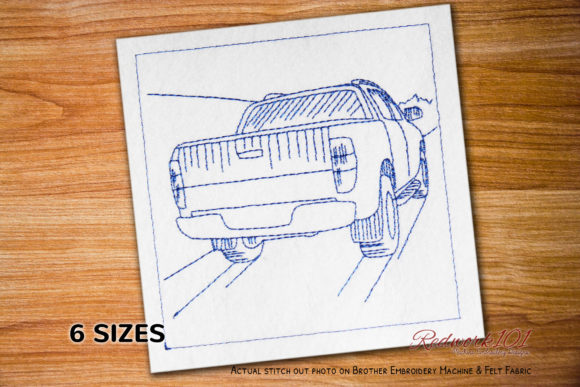
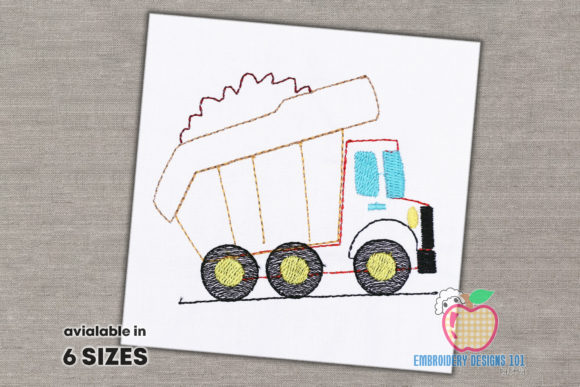
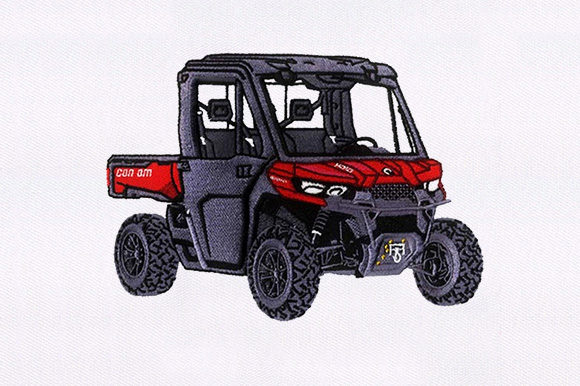
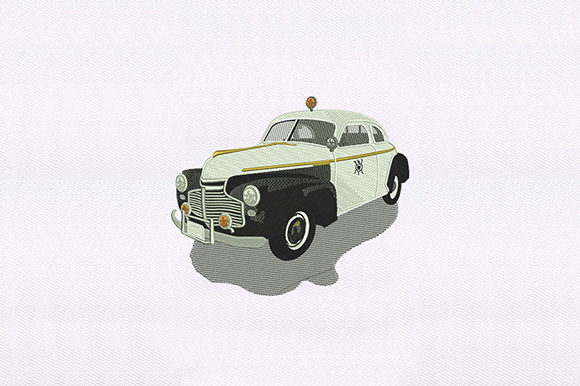
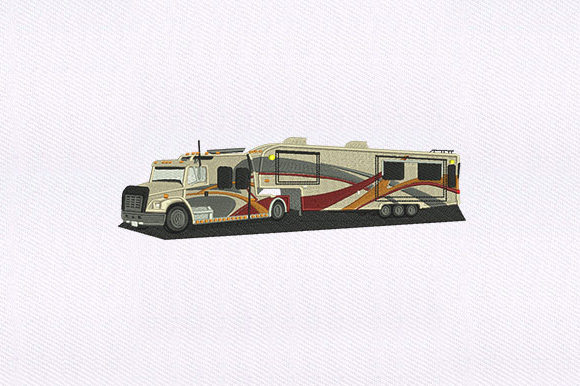
The silhouette of the truck is distinct, avoiding the generic boxiness often found in lower-quality digital embroidery files. What stands out initially is the integration of the camouflage pattern within the vehicle's body. In many poorly executed designs, camo patterns turn into a muddy mess of running stitches that lack definition. However, Camouflage Truck appears to utilize a thoughtful mix of fill stitch and satin stitch boundaries to keep those organic shapes crisp. The visual personality here is playful yet tough, making it an excellent candidate for nursery decor for boys, father's day gifts, or outdoor enthusiast apparel. The layout feels balanced, suggesting that the digitizer understood how thread pull affects the final shape, which is crucial for maintaining the truck's proportions after stitching.
Real-World Application: The Custom Sweatshirt Test
To truly evaluate this embroidery project, I imagined a specific scenario: a custom order for a local hunting lodge needing branded sweatshirts. The client wanted something that looked professional but didn't feel like a corporate logo. Placing Camouflage Truck on the left chest of a heavyweight cotton blend sweatshirt seemed like the perfect test. The texture of the fleece provides a great backdrop for the dense areas of the design, allowing the thread colors to pop without sinking into the fabric pile.
If you are an apparel decorator, consider how this design interacts with different garment weights. On a thin t-shirt, the density might be too heavy, causing puckering unless you use a substantial cut-away stabilizer. However, on a tote bag or a canvas apron, this design would shine. The sturdy nature of canvas supports the intricate details of the wheels and the camo overlay, resulting in a high-value handmade product that customers perceive as durable and well-crafted. For small shop products, this versatility is gold; one design asset can serve multiple inventory needs, from baby onesies (using a reduced size) to adult hoodies.
Navigating Fabric Textures and Hoop Constraints
While the design is robust, there are practical limitations to consider before hitting "start" on your machine. If you are working with stretchy fabrics like jersey knits for baby embroidery projects, caution is required. The detailed corners of the truck bed and the tire treads demand stability. Without proper hooping and perhaps a water-soluble topper to prevent the needle from pushing the fabric down, you risk losing definition in those smaller areas.
Furthermore, check your hoop size compatibility immediately. Detailed transportation designs often require a medium to large hoop to accommodate the width of the vehicle while maintaining stitch integrity. If you attempt to resize this significantly downward for a cap or a small embroidered patch, you risk merging the camo elements into a solid block of color. Always review the included embroidery file formats to ensure you have a version optimized for smaller hoops if that is your intended application. For curved surfaces like baseball caps, the center of the truck might stitch fine, but the outer edges could distort if the cap frame isn't secured tightly.
Commercial Viability and Brand Consistency
For craft business owners, the consistency of the finished product is what builds brand trust. Camouflage Truck offers a level of professionalism that elevates a simple gift into a sellable commodity. When a customer receives an item with clean satins and well-defined fills, it signals quality. This design works exceptionally well for holiday embroidery themes, particularly for Father's Day or Christmas, where rugged aesthetics are in high demand.
From a marketing perspective, this design photographs beautifully for printable mockups. The contrast between the camo pattern and the solid outlines creates visual interest in online listings, helping your Etsy listings stand out in a crowded marketplace. Whether you are selling physical goods or offering customization services, the recognition factor of a well-executed truck design can drive buyer engagement. It appeals to a specific demographic without being overly niche, allowing you to market it as a personalized gift for various occasions.
Essential Designer Notes for Best Results
Before committing to a production run, here are a few practical steps I recommend based on experience with similar transportation themes:
- Test on Scrap First: Always stitch a sample on the exact fabric you plan to use. Thread tension can vary wildly between polyester and cotton blends.
- Check Color Contrast: Camouflage relies on subtle shifts in tone. Ensure your thread palette has enough variation to distinguish the camo shapes from the truck's outline. A monochromatic look might be stylish, but verify it doesn't look like a mistake.
- Review Stitch Density: If the design feels too stiff after stitching, consider editing the density in your software if you have the skills, or switch to a lighter weight stabilizer.
- Verify Licensing: Since this is a commercial embroidery asset, confirm the license terms provided with the download. Some designers allow unlimited sales of finished physical items but restrict the resale of the digital file itself.
- Inspect Small Details: Pay close attention to the wheel wells and any tiny text or accents. These are the first places to show errors if the machine tension is off.
In conclusion, Camouflage Truck is a versatile addition to any designer's library. It bridges the gap between hobbyist fun and commercial viability. By understanding its strengths in texture and layout, and respecting its limitations regarding fabric choice and sizing, you can create stunning custom apparel and accessories that resonate with your audience. Whether it ends up on a kitchen towel for a dad who loves grilling or a pillow cover for a cabin retreat, this design has the structural integrity to look amazing stitch after stitch.