Die Cast Toy Cars Design: A Review for Gift Makers
As an embroidery designer who spends more time at the hoop than away from it, I am always on the lookout for designs that bridge the gap between nostalgic charm and modern craftsmanship. Recently, I had the opportunity to test the Die Cast Toy Cars Design with a specific goal in mind: determining its viability for a personalized gift shop catering to new parents, car enthusiasts, and families looking for unique keepsakes. This review breaks down the practical application, emotional appeal, and technical considerations of this machine embroidery design to help you decide if it fits your product line.
First Impressions: Nostalgia Meets Craftsmanship
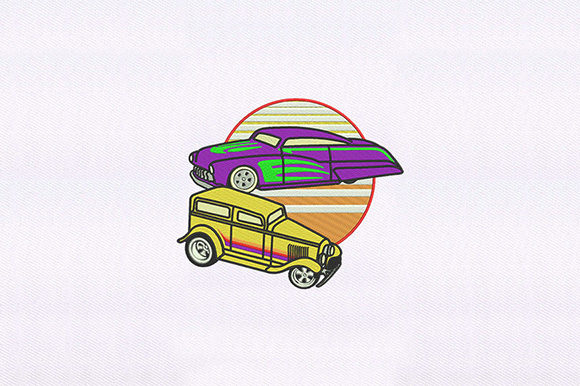
Upon loading the digital embroidery file into my software for a preview, the immediate impression was one of playful elegance. The Die Cast Toy Cars Design captures the essence of classic toy vehicles without feeling cluttered or overly juvenile. It strikes a balance that is essential for high-end handmade products; it is sweet enough for a nursery yet structured enough to look sophisticated on home decor items.
The mood of the design is undeniably warm and inviting. It evokes memories of childhood playrooms and father-son bonding over model collections. For a personalized gift, this emotional connection is invaluable. The detail level appears crisp in the simulation, suggesting that the stitch paths are well-optimized. Whether you are aiming for a romantic vibe for a partner who loves vintage autos or a playful touch for a baby shower, this design offers versatile emotional appeal.
Versatility Across Product Categories
The true test of any embroidery file is how well it translates across different substrates. In my planning phase for a hypothetical customer order, I visualized the Die Cast Toy Cars Design on several key products:
- Baby Embroidery: Imagine this stitched onto a soft muslin swaddle or a denim romper. It serves as a perfect centerpiece for a "little driver" themed baby shower.
- Nursery Decor: The design shines on a pillow cover or a framed piece of canvas art, adding a thematic touch to a child's room without overwhelming the space.
- Kitchen and Utility: An embroidered towel or a heavy-duty apron featuring these cars makes a fantastic gift for the dad who loves to grill or cook while showcasing his hobby.
- Tote Bags and Apparel: For the Etsy seller or craft fair vendor, placing this on a canvas tote creates a stylish, everyday accessory that appeals to a broad demographic.
- Wedding Gifts: While less traditional, a custom blanket embroidery featuring this motif could be a unique anniversary gift for a couple who bonded over collecting die-cast models.
This versatility means you can market the same custom embroidery asset to multiple niches, maximizing your return on investment for the file.
Technical Considerations and Fabric Challenges
While the aesthetic is strong, practical execution requires attention to detail. When working with the Die Cast Toy Cars Design, there are specific scenarios where caution is advised to ensure a professional finished product.
First, consider the fabric texture. If you are stitching on thick terry cloth towels or plush blankets, the finer details of the car wheels or windows might get lost if the stitch density is too high for the pile. Conversely, on stretchy baby clothes, the design needs adequate stabilization to prevent puckering. I recommend using a cut-away stabilizer for garments that will undergo frequent washing, as this provides long-term durability.
Dark fabrics present another challenge. To make the cars pop, you must carefully select your thread colors. A metallic or bright satin thread against navy or charcoal fabric can create a stunning contrast, but you must verify that the design does not rely on light threads for structural integrity where they might blend into a dark background. Additionally, if the design includes small lettering for personalization (such as a name or date), ensure the font size is large enough to remain legible after stitching, especially on textured surfaces.
Curved surfaces, like the pocket of a hoodie or a rounded pillow, require careful hooping. Always ensure the grain of the fabric is straight to prevent the cars from appearing distorted once the item is worn or displayed.
Enhancing Perceived Value and Customer Trust
In the world of online selling, particularly for an Etsy seller or small shop owner, the perceived value of a product often hinges on the quality of the imagery and the uniqueness of the design. The Die Cast Toy Cars Design lends itself beautifully to product photography. The distinct shapes and potential for vibrant color combinations make for eye-catching thumbnails that can drive buyer engagement.
Using this design signals to the customer that you offer more than just generic monograms; you provide curated, thematic art. This builds trust and establishes your brand as a source for thoughtful, handmade products. When a customer sees a cohesive collection—say, a matching set of a bib, a burp cloth, and a blanket all featuring this car motif—they perceive a higher level of care and professionalism. This emotional connection often translates into higher price points and repeat business.
Practical Notes for the Professional Maker
Before committing to a full production run or fulfilling a custom order, I strongly advise following these practical steps to ensure quality control:
- Test on Scrap Fabric: Always stitch a sample on the exact material you intend to use for the final product. This reveals how the thread colors interact with the fabric dye.
- Check Stitch Density: Review the simulation closely. If areas look too dense, consider editing the pull compensation or density settings in your software to prevent fabric distortion.
- Confirm Hoop Size: Verify that the design fits within your available hoop dimensions. The file formats provided (DST, PES, EXP, etc.) usually come in multiple sizes, but you must match the specific file to your machine's capabilities.
- Review File Formats: This design comes in a wide array of formats including 10O, ART, CND, DSB, DST, DSZ, EXP, HUS, JEF, PCS, PEC, PES, TAP, VIP, VP3, and XXX. Ensure you select the correct format for your specific machine brand to avoid read errors.
- Inspect Small Details: After stitching the test, examine the small details under good lighting. Are the wheel spokes clear? Is the outline smooth? Trim any jump threads meticulously.
- Verify Licensing: Before selling finished goods, confirm the commercial licensing terms associated with the digital embroidery file. Some designers allow unlimited sales of finished physical items, while others have restrictions.
Final Thoughts on Market Potential
The Die Cast Toy Cars Design is a robust addition to any embroidery library focused on personalized gifts. Its ability to transcend age groups—from infants to adult collectors—makes it a safe yet exciting bet for expanding your product catalog. Whether you are creating a one-of-a-kind wedding gift or stocking up for a holiday craft fair, this design offers the charm and technical reliability needed to produce high-quality commercial embroidery results. By paying attention to fabric selection and stabilization, you can turn this digital asset into a tangible product that customers will cherish for years.
Remember, the success of the finished product lies not just in the design itself, but in how thoughtfully it is executed. With the right preparation, the Die Cast Toy Cars Design can become a staple in your shop, driving sales and delighting customers who appreciate the timeless appeal of classic toys rendered in thread.