Knight Helmet: A Bold Military Embroidery Review
As an embroidery designer who has spent countless weekends setting up booth displays at local craft fairs, I know that the difference between a slow Saturday and a sold-out inventory often comes down to one thing: visual impact. When I recently downloaded the Knight Helmet machine embroidery design, my immediate thought was not just about how it would look on a screen, but how it would perform in the chaotic, colorful environment of a handmade market. This review breaks down the potential of this specific Military themed asset for Etsy sellers, boutique makers, and anyone looking to expand their craft fair product line with something distinct.
First Impressions and Market Appeal
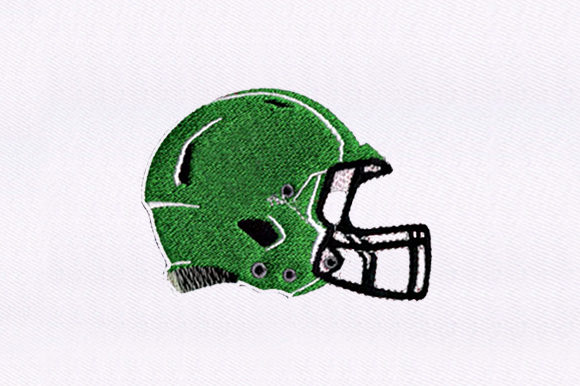
The first thing you notice about the Knight Helmet is its inherent boldness. In a sea of farmhouse florals and cute animals that dominate many small shop product catalogs, a military-inspired motif stands out immediately. It feels premium and structured rather than soft or rustic. For customers browsing a table filled with handmade products, this design signals strength and history. It is not necessarily "cute" in the traditional sense; instead, it carries a decorative weight that appeals to buyers looking for unique gifts for history buffs, reenactors, or those who simply appreciate a more masculine or neutral aesthetic. The design translates well into a modern context, moving away from overly ornate medieval styles to something cleaner that fits contemporary home decor and apparel.
Product Versatility for Booth Displays
When planning my table layout, I always ask: where does this design shine brightest? The Knight Helmet is incredibly versatile, but it truly excels as a focal point on specific items.
- Tote Bags and Market Bags: This is likely the strongest contender. A large-scale version of the helmet centered on a canvas tote creates an instant statement piece. The sharp lines of the metal armor contrast beautifully against natural cotton or heavy-duty twill.
- Aprons and Kitchen Towels: While apron embroidery often leans towards culinary themes, a knight motif works surprisingly well for a "castle kitchen" or historical cooking vibe. However, care must be taken with tea towel embroidery; if the towel has a loose weave, the fine details of the helmet might get lost.
- Caps and Hats: Placing this on a curved cap surface can be tricky but rewarding. If the design is scaled correctly, it looks fantastic on a structured baseball cap, appealing to a demographic that often gets overlooked in the handmade sector.
- Embroidered Patches: This is perhaps the most commercially viable option. Creating iron-on or sew-on embroidered patches allows customers to buy a low-cost item that they can apply to jackets or bags later. The defined edges of a helmet make for a clean patch shape.
- Pillow Covers: For home decor, this design adds a touch of eclectic flair to a throw pillow, especially in a living room with darker or richer color palettes.
Production Realities and Stitch Considerations
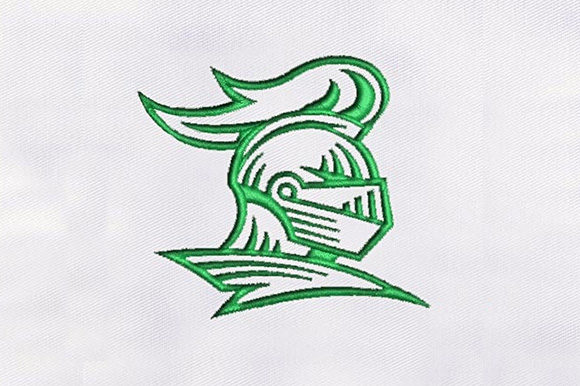
From a production standpoint, the Knight Helmet requires a thoughtful approach to ensure the finished product looks professional. One of the primary concerns with any design featuring armor or metallic elements is stitch density. If the design relies heavily on satin stitches to mimic the sheen of metal, it can become quite thick. On lighter fabrics, this might cause puckering, while on thick fabrics like denim or canvas, it could lead to needle breakage if the machine struggles to penetrate the layers.
Furthermore, the clarity of the design is paramount. A helmet has specific contours—the visor, the crest, and the neck guard. If these are rendered with tiny details or very small lettering (if included), they may lose definition when stitched out at a smaller size. For commercial embroidery runs, I recommend testing the design at various scales. It might work perfectly as a large back-of-shirt graphic but fail as a small chest logo if the internal details merge into a solid blob of thread.
Critical Care Notes for Makers
Before committing to a full batch of inventory, there are several practical hurdles to clear. First, consider your thread colors. A knight helmet often implies silver, steel, or gold. Using standard polyester threads might not capture the desired metallic look unless you specifically source metallic or variegated threads. Second, be wary of fabric texture. Textured towels or waffle weaves can distort the straight lines essential to the helmet's geometry. Finally, if you are stitching on dark fabric, ensure the design includes an appropriate underlay or backing to prevent the fabric color from showing through the lighter metallic threads.
Maximizing Sales Through Visual Presentation
In the digital realm, the Knight Helmet needs to pop in your printable mockup images. Because the subject matter is strong and graphical, it photographs well. High-contrast lighting will emphasize the texture of the stitches, making the product look tangible even online. For an Etsy seller, using this design in a lifestyle shot—perhaps on a bag resting against a stone wall or on an apron in a dimly lit, rustic kitchen—can elevate the perceived value of the item.
The design also aids in brand consistency if your shop focuses on historical, fantasy, or strong graphic themes. It tells a story. Customers are not just buying a towel; they are buying a piece of a narrative. This emotional connection drives buyer engagement and can justify a higher price point compared to generic designs.
Designer Recommendations for Success
To ensure the Knight Helmet becomes a bestseller in your lineup, follow these professional steps:
- Test on Scrap Fabric: Never skip this step. Run the design on the exact material you intend to sell to check for registration issues.
- Check Stabilizer Compatibility: Given the likely density of armor plating, a cut-away stabilizer might be necessary to support the weight of the stitching, especially on stretchy fabrics.
- Confirm Hoop Size: Ensure the design fits within your available hoop dimensions without needing excessive re-hooping, which can misalign the pattern.
- Review File Formats: This design comes in a wide array of formats including DST, PES, JEF, and XXX. Always select the native format for your specific machine to ensure the best stitch quality.
- Verify Licensing: Before selling any finished products, confirm the commercial licensing terms associated with the digital embroidery file. Some designers allow unlimited sales of finished goods, while others have restrictions.
In conclusion, the Knight Helmet is a robust addition to any embroidery portfolio. It bridges the gap between niche historical interest and modern graphic design. With careful attention to fabric choice, thread selection, and scaling, this embroidery file can transform simple blanks into high-value handmade gifts that stand out in any crowded marketplace.