Reviewing Speciality Vessel Bluework for Real Projects
As a designer who spends more time staring at stitch simulations than most people care to admit, I approach every new machine embroidery design with a mix of excitement and skepticism. We have all been there: you buy a beautiful digital embroidery file, load it onto your machine, and halfway through the run, you realize the density is too high for that lightweight linen or the details are going to vanish on a textured towel. That is why I took a close look at the Speciality Vessel Bluework design before committing it to any client work or personal embroidery project. This isn't just about whether it looks cute on a screen; it is about how it performs as a finished product in the real world.
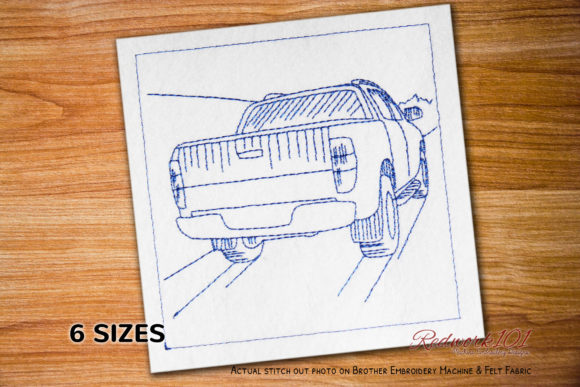
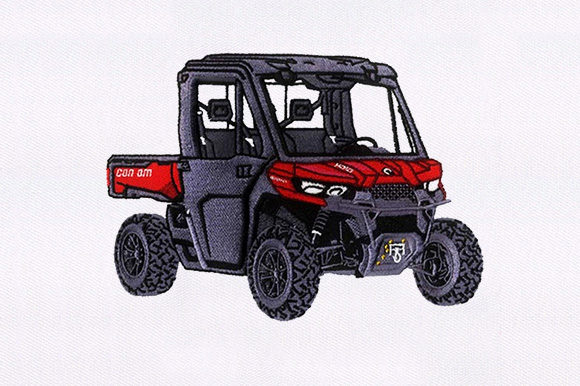
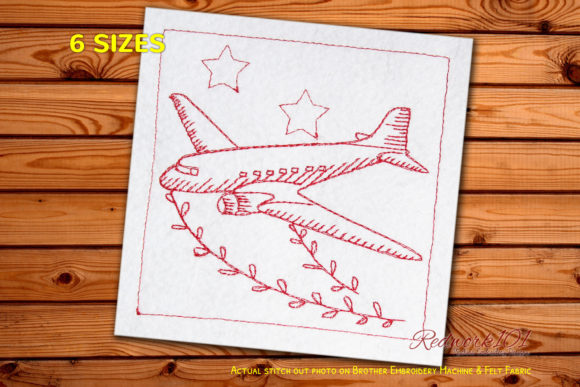
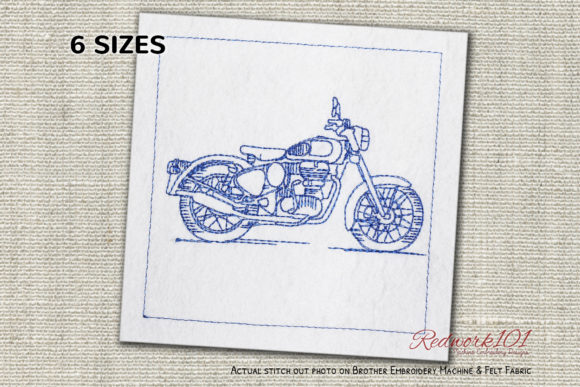
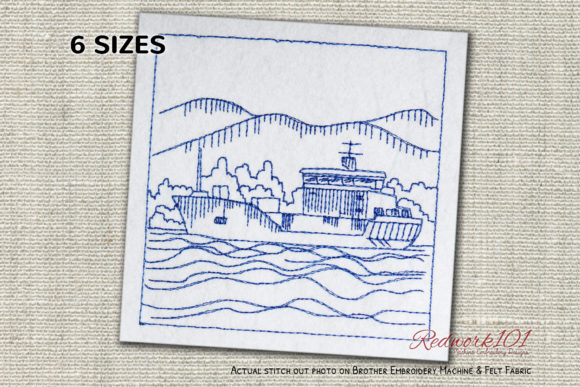
The first thing that strikes me about Speciality Vessel Bluework is its visual personality. It falls squarely into the Transportation category, but it carries a specific mood that feels less like industrial machinery and more like nostalgic exploration. The lines suggest a vessel ready for a journey, which makes it incredibly versatile. When I visualize this stitched out, I don't just see a vehicle; I see a story. For an Etsy seller or a small shop product creator, storytelling is what sells. This design has the kind of character that fits perfectly on a nursery wall hanging, a custom tote for a travel blogger, or even a patch for a rugged denim jacket.
Putting the Design to the Test: A Real-World Scenario
To truly evaluate this embroidery file, I imagined a specific scenario that many of us face regularly. Let's say a customer comes to your craft business requesting a personalized gift for a new parent. They want a high-quality muslin swaddle or a structured canvas tote bag featuring a theme of "adventure begins." This is where Speciality Vessel Bluework shines. The composition is balanced enough to sit centrally on a baby blanket without overwhelming the small fabric space, yet detailed enough to look professional on a larger tote bag design.
In this hypothetical run, the choice of thread colors becomes critical. Since the design leans towards bluework, it relies heavily on tonal variation rather than a rainbow palette. This is excellent for brand consistency if you are creating a line of custom apparel or boutique merchandise. However, it also means you need to be careful with contrast. If you are stitching this onto a navy sweatshirt, you must ensure your thread selection pops enough to define the shape. On a white background, the shading within the vessel will do the heavy lifting. I particularly appreciate that the design seems to prioritize clarity, which is essential for sweatshirt embroidery where thick fabrics can sometimes swallow fine details.
Navigating Fabric Textures and Hoop Limitations
One of the most important aspects of reviewing any Embroidery asset is understanding where it might fail. While Speciality Vessel Bluework is robust, it requires thoughtful placement. If you are planning to use this on a curved surface like a cap, you need to consider the hoop size and the structural integrity of the vessel's lines. Curved surfaces distort designs, and long, straight runs of stitching can pucker if the stabilizer isn't up to the task. For caps, I would recommend testing a smaller version or ensuring the design is centered perfectly to avoid visual distortion.
Similarly, fabric texture plays a huge role. If you are aiming for a rustic look with a burlap sack or a waffle-weave kitchen towel, the stitch density of the vessel needs to be checked. High-density fills can cause puckering on loose-weave fabrics. In these cases, using a heavier cut-away stabilizer is non-negotiable. Conversely, if you are working with stretchy performance fabrics for athletic wear, the rigidity of the stitch pattern might restrict movement. Always test on scrap fabric first. There is nothing worse than ruining a client's garment because you assumed the running stitch or fill stitch ratios would behave the same on spandex as they do on cotton twill.
Commercial Viability and Customer Perception
For those of us selling handmade products, the perceived value of the item is tied directly to the quality of the decoration. Speciality Vessel Bluework has a clean, professional aesthetic that elevates the base product. Whether it is an embroidered patch meant to be ironed on later or direct stitching on an apron, the design communicates competence. Customers trust items that look crisp and well-executed. A blurry or poorly digitized image kills sales, but a design with clear definition, like this one, encourages buyer engagement.
When creating printable mockups for your online store, this design offers great flexibility. Because it is thematic without being overly specific to a single holiday, it can be marketed year-round. It works as holiday embroidery for summer travel themes, back-to-school gear, or even wedding gifts for couples who love exploring. The versatility increases your return on investment for the design assets you purchase. You aren't limited to one season; you are building a library of usable art.
Technical Considerations for the Serious Maker
Before you hit "start" on your machine, there are a few technical boxes to check. The product notes mention that "The Box Stitch shown in picture is optional" and that the outer box color varies. This is a crucial detail for customization. It implies that the design allows for some modification, perhaps letting you skip the border to save time or thread if it doesn't fit your layout. However, since exact stitch counts and specific file formats weren't provided in the brief description, you must verify these details upon download. Ensure the file type matches your machine (PES, DST, EXP, etc.) and that the hoop size required fits your equipment.
Also, pay attention to the licensing terms. If you intend to use Speciality Vessel Bluework for commercial embroidery projects where you sell hundreds of units, confirm that the license covers mass production. Most designers offer standard licenses for small batches, but high-volume manufacturing often requires an upgrade. Additionally, if you are selling the digital file itself, ensure you have the rights to redistribute it, which is rarely the case with standard purchases.
In terms of execution, inspect the small details. Does the vessel have tiny lettering or intricate corners that might bunch up? If so, consider using a sharper needle or adjusting your machine speed. Testing the design in black and white mockups can also help you see the contrast issues before you waste expensive metallic or variegated thread colors. Remember, a good applique design or fill-heavy piece lives or dies by its underlay and density settings.
Ultimately, Speciality Vessel Bluework feels like a solid addition to a designer's toolkit. It bridges the gap between whimsical illustration and structured embroidery art. Whether you are making a personalized gift for a friend or stocking inventory for your small business, this design offers the reliability and charm needed to create something special. Just remember to respect the materials, check your settings, and let the design do what it does best: tell a story of adventure, one stitch at a time.